
Architecture is more than just the construction of buildings. It is the shaping of environments where human stories unfold. Across centuries, famous architects have left behind structures that not only define skylines but also symbolize cultural identity and progress. Their work tells us how societies once lived, what they valued, and how they envisioned the future. From ancient innovators like Imhotep to modern trailblazers such as Zaha Hadid, each architect carved a path that blended creativity, function, and cultural meaning. This article explores their contributions, philosophies, and the enduring impact they continue to have on our lives today.
The Role Of Architects In History
Architecture has always been more than shelter. It reflects the values of civilizations, records the achievements of societies, and often becomes the defining mark of an era. By looking at the role of famous architects in history, we can see how design has continually shaped culture and everyday life.
Architecture As A Mirror Of Civilization
Great buildings mirror the ambitions of their time. Ancient pyramids revealed the power of pharaohs, while medieval cathedrals captured religious devotion. The skyscrapers of the modern era, designed by visionaries, show society’s pursuit of innovation and progress.
Architects As Visionaries
Architects are not just designers, they are visionaries who influence how people live and interact. From planning urban layouts to crafting timeless landmarks, famous architects who influenced design have changed the course of human history. Their contributions prove that architecture is an enduring dialogue between past, present, and future.
Ancient And Classical Architects
The story of architecture begins with the earliest known masters. These ancient architects laid the foundation for later innovations, combining structural genius with symbolic meaning. The origins of architecture lie in the hands of early innovators who blended practicality with symbolism. These ancient architects were not only builders but also philosophers, engineers, and visionaries who gave form to the values of their civilizations. Their creations, pyramids, temples, amphitheaters, and forums were designed to endure time and inspire awe. Figures like Imhotep in Egypt or Vitruvius in Rome established guiding principles that influenced generations to come, setting the stage for the classical architecture pioneers of the Renaissance. By studying their achievements, we see how architecture evolved from sacred monuments into refined systems of proportion, beauty, and civic function.
Imhotep: The First Recorded Architect
Imhotep, often regarded as the first famous architect, designed Egypt’s Step Pyramid of Djoser around 2600 BCE. His work introduced the use of stone masonry in monumental structures, a leap forward from earlier mudbrick designs. Beyond architecture, he was also a physician and scholar, proving the multidisciplinary nature of early innovators.
Vitruvius: The Roman Mastermind
Vitruvius, author of De Architectura, set down principles of symmetry, proportion, and balance that shaped classical architecture pioneers for centuries. His influence extended into the Renaissance, when artists and architects revived his ideas as the backbone of harmonious design.
Apollodorus Of Damascus
Apollodorus engineered some of the Roman Empire’s greatest achievements, including Trajan’s Forum and the Pantheon’s improvements. His legacy shows how technical knowledge and artistic ambition merged in the hands of lesser-known but famous architects of antiquity.
Renaissance And Enlightenment Architects
The Renaissance and Enlightenment periods were turning points in the history of architecture, where innovation met tradition in extraordinary ways. During the Renaissance, famous architects of the 16th century revived classical principles of symmetry and proportion while applying new techniques such as linear perspective and advanced engineering. Their buildings reflected not only beauty but also mathematical precision, blending art and science into a unified vision. As Europe moved into the Enlightenment, architecture became a tool for expressing reason, order, and civic ideals. Grand churches, palaces, and public institutions symbolized both spiritual devotion and the emerging values of progress and democracy. Together, these architectural philosophies shaped cities into cultural centers, leaving a legacy that continues to inspire designers today.
Filippo Brunelleschi
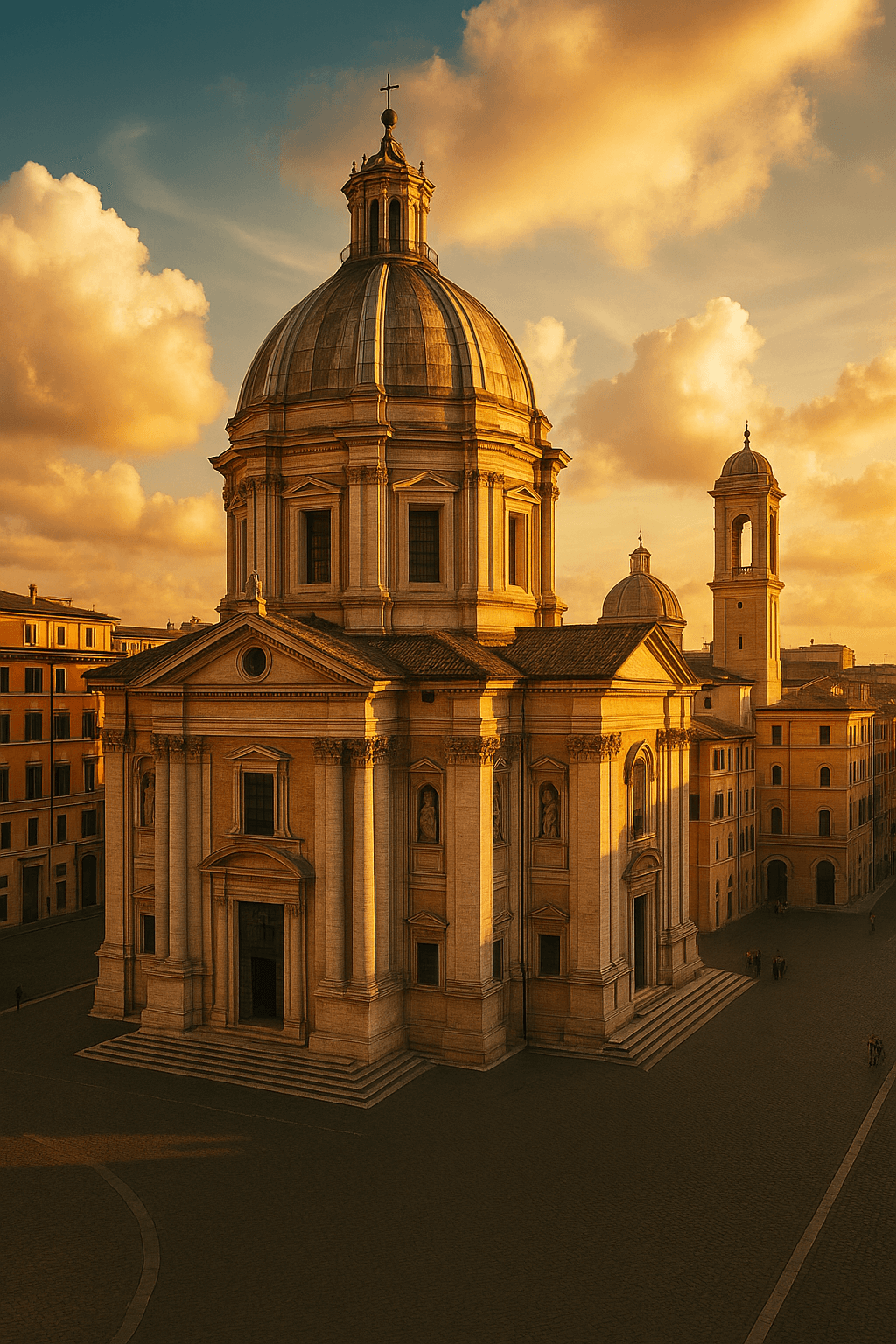
Brunelleschi’s Dome of Florence Cathedral revolutionized construction and became one of the defining achievements of the Renaissance. By creating a massive self-supporting dome without traditional wooden scaffolding, he introduced engineering techniques that were centuries ahead of their time. Brunelleschi developed innovative machinery, mastered linear perspective, and used a double-shell structure that distributed weight with unprecedented efficiency. His bold approach challenged what architects believed was possible and set a new standard for architectural ambition. Today, the dome remains not only a marvel of engineering but also a symbol of Renaissance genius, representing the moment when art, science, and human ingenuity merged to reshape the future of design.
Leon Battista Alberti
Alberti contributed not only through buildings but also through his influential treatises, which became foundational texts for architects across Europe. In works like De re aedificatoria, he explored harmony, proportion, geometry, and the relationship between architecture and human experience. His belief that buildings should reflect order, balance, and rational beauty helped shape architectural philosophies for generations. Alberti also emphasized the importance of civic architecture, arguing that well-designed cities elevate the lives of their citizens. His ideas bridged classical principles with emerging Renaissance thought, creating a theoretical framework that guided architects long after his lifetime and laid the groundwork for modern architectural theory.
Andrea Palladio
Palladio’s villas in northern Italy defined what became known as Palladian architecture, a style rooted in classical symmetry, proportion, and refined elegance. His designs blended practicality with beauty, using balanced facades, harmonious layouts, and temple-like porticos that brought ancient Roman ideals into everyday living spaces. Through his influential book I Quattro Libri dell’Architettura, Palladio shared detailed drawings and principles that allowed his ideas to spread far beyond Italy. As a result, his style shaped grand estates, civic buildings, and government structures across Europe and later the United States, influencing everything from British country houses to Thomas Jefferson’s Monticello. Palladio’s work created a universal architectural language that continues to inspire designers seeking clarity, order, and timeless beauty.
Christopher Wren
After the Great Fire of London in 1666, Wren rebuilt much of the devastated city, including the iconic St. Paul’s Cathedral, which remains one of the most recognizable landmarks in the world. He designed more than 50 churches during the reconstruction effort, weaving together classical elements, Baroque influences, and practical urban planning to create a coherent architectural identity for a city rising from the ashes. Wren’s approach introduced wider streets, improved building materials, and safer structural methods, showing how architecture could both restore and modernize an urban landscape after disaster. His visionary work demonstrated not only artistic mastery but also technical ingenuity and civic leadership, proving that design can guide a city through crisis toward renewal and long-term resilience.
Masters Of The 19th Century
The 19th century was an age of transformation, where rapid industrialization and new materials like iron, steel, and reinforced concrete reshaped architecture. Famous architects of the 1800s experimented with bold styles that ranged from romantic historic revival to the first hints of modernism. Monumental railway stations, grand opera houses, and ornate civic buildings reflected the wealth and ambition of nations, while innovations in engineering allowed for taller, more functional structures that laid the groundwork for the skyscraper. Architects such as Gaudí brought imaginative, organic forms to life, while figures like Louis Sullivan emphasized practicality with the principle that “form follows function.” This era became a bridge between classical ornament and the rise of streamlined modern design, showing how architecture could embody both cultural identity and industrial progress.
Antoni Gaudí
Gaudí’s Sagrada Família is one of the most recognized works in the world, a soaring masterpiece that captures the imagination of anyone who sees it. His unique approach combined nature-inspired forms, flowing organic shapes, and vibrant mosaics that transformed traditional architecture into something entirely new. Each façade tells a symbolic story, while the interior feels like a living stone forest illuminated by colorful light. Beyond the Sagrada Família, Gaudí’s famous architecture, which you can visit, including Park Güell, Casa Batlló, and La Pedrera, continues to attract millions of visitors to Barcelona every year. His visionary style, blending engineering brilliance with artistic expression, reshaped the identity of the city and solidified his legacy as one of the most innovative architects in history.
Charles Garnier
Garnier’s Paris Opera House showcased the opulence of the Beaux-Arts style, standing as one of the most extravagant cultural monuments of its era. Its grand staircase, gilded sculptures, marble columns, and richly painted ceilings created a theatrical experience long before audiences even reached their seats. The building’s meticulous symmetry and elaborate ornamentation reflected not just artistic ambition but also the cultural pride and economic confidence of 19th-century France. Garnier combined traditional craftsmanship with modern engineering, including one of the earliest metal-frame structures hidden beneath its ornate façade. Today, the Opera House, often called the Palais Garnier, remains a symbol of Parisian prestige, drawing visitors from around the world who marvel at its beauty and historical significance.
Louis Sullivan
Often called the father of modern architecture, Sullivan believed that “form follows function,” a principle that reshaped how architects approached design. Instead of relying on heavy ornamentation, he emphasized structural honesty, letting a building’s purpose guide its appearance. His pioneering use of steel-frame construction made taller, more efficient buildings possible, laying the foundation for the modern skyscraper. Yet Sullivan still infused his work with artistry, incorporating intricate organic motifs and geometric patterns that gave his façades a distinctive character. Buildings such as the Wainwright Building and the Carson, Pirie, Scott Store demonstrate how he balanced practicality with expressive detail. His influence on students like Frank Lloyd Wright ensured that his ideas would ripple through generations, solidifying his place as a transformative force in architectural history.
Frank Furness
Furness was known for his bold, eclectic style in Philadelphia, where he combined Gothic influences, industrial materials, and muscular forms in ways that defied traditional expectations. His buildings often featured dramatic contrasts, massive stone arches paired with delicate ironwork, or sharp geometric lines set against richly ornamented surfaces. Though less widely recognized than some of his contemporaries, he exemplifies the idea of lesser-known famous architects who still played a significant role in shaping American urban identity. Furness designed banks, libraries, train stations, and civic buildings that reflected the dynamic growth of post–Civil War America, and his willingness to experiment paved the way for more expressive architectural styles. His influence can even be seen in the early work of Frank Lloyd Wright, proving that his legacy extends far beyond the city he helped define.
Icons Of Modern Architecture
The 20th century marked a bold shift in design, as modern famous architects broke away from ornate traditions and embraced simplicity, functionality, and innovation. Steel, glass, and reinforced concrete became the materials of choice, enabling the rise of skyscrapers and sleek international styles that transformed city skylines. Visionaries like Frank Lloyd Wright sought harmony between buildings and nature, while Le Corbusier and Mies van der Rohe pioneered minimalist philosophies that redefined urban living. At the same time, Walter Gropius and the Bauhaus movement merged art, industry, and design into a unified approach that influenced generations of architects. These icons of modern architecture created works that still inspire, reminding us that architecture is both an expression of cultural values and a driver of societal change.
Frank Lloyd Wright
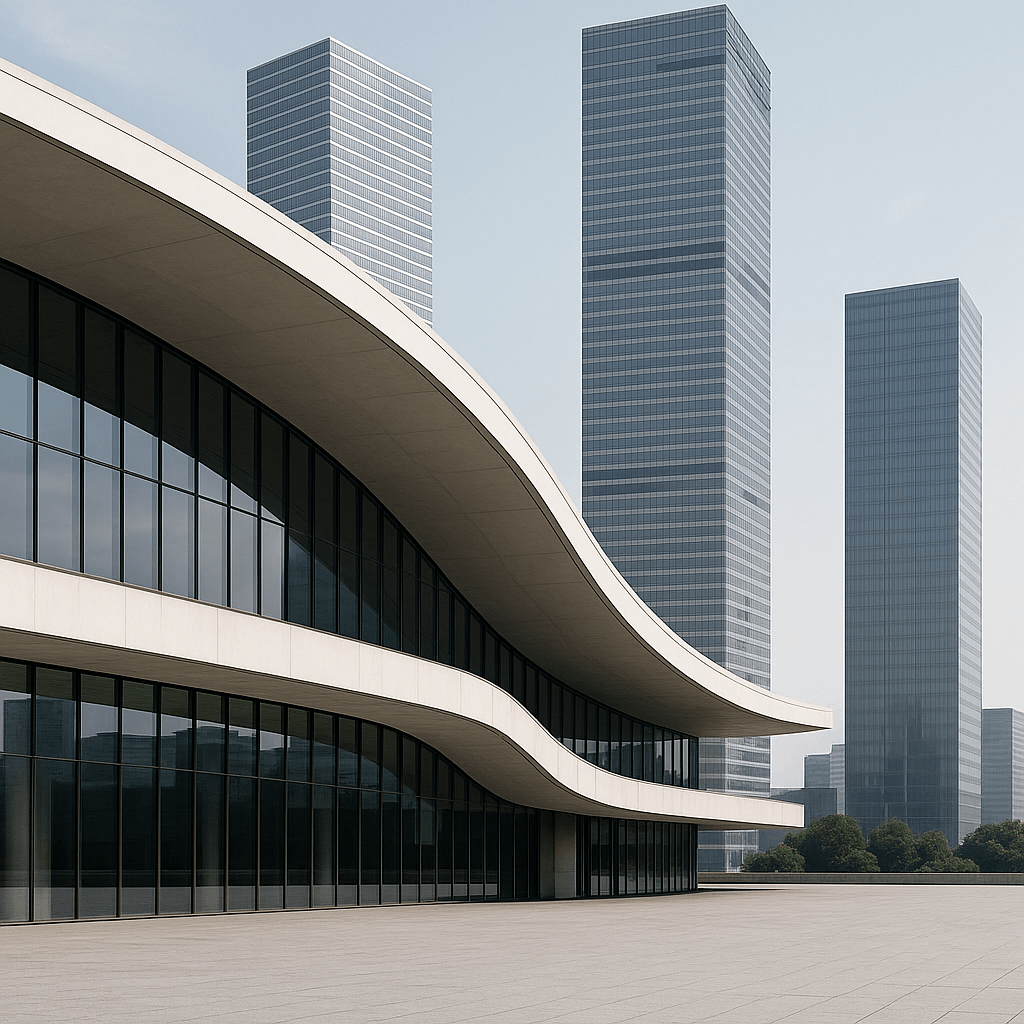
Wright’s Fallingwater blended architecture with nature in a way that had never been seen before, placing an elegant home directly over a rushing waterfall and creating a seamless connection between the built environment and the natural world. His use of cantilevers, open floor plans, and natural materials reflected a philosophy he called “organic architecture,” which aimed to unify buildings with their surroundings. Meanwhile, the Guggenheim Museum in New York redefined cultural space with its spiraling ramp and bold sculptural form, challenging traditional gallery layouts and influencing museum design worldwide. Across his long career, Wright designed everything from houses and offices to churches and civic centers, each rooted in harmony, innovation, and human-centered design. His groundbreaking ideas and iconic works established him as one of the most famous architects ever, with a legacy that continues to shape modern architecture around the globe.
Le Corbusier
Le Corbusier’s international style promoted functionality and efficiency, stripping away ornament in favor of clean lines, open floor plans, and modular forms. He believed that buildings should serve the needs of modern life and famously described a house as “a machine for living in,” reflecting his focus on practicality and human experience. His Villa Savoye remains a cornerstone of modern architecture, showcasing clarity of form through its pilotis (support columns), ribbon windows, and rooftop garden, all elements that redefined residential design in the 20th century. Beyond individual buildings, Le Corbusier also influenced urban planning with his visionary, though sometimes controversial, ideas for large-scale city layouts. His work left a lasting imprint on architects around the world, helping shape the foundations of minimalism and contemporary design principles.
Ludwig Mies van der Rohe
Mies popularized minimalist architecture with the famous phrase “less is more,” a philosophy that reshaped how the world understood space, structure, and beauty. By stripping buildings down to their essential forms, he emphasized purity of line, open interiors, and the honest expression of materials. His pioneering use of glass-and-steel construction, seen in works like the Seagram Building in New York, created sleek, transparent façades that became a defining feature of modern corporate architecture. These buildings introduced a new sense of lightness and order to dense urban environments, influencing cityscapes worldwide and setting the standard for modern skyscrapers. Mies’s dedication to simplicity, precision, and structural clarity continues to guide contemporary designers, making him one of the most influential architectural thinkers of the 20th century.
Walter Gropius
As founder of the Bauhaus movement, Gropius integrated art, design, and industry in a way that fundamentally reshaped modern architecture. He believed that architecture should be a collaborative discipline, bringing together craftsmen, artists, and engineers to create functional yet beautiful environments. The Bauhaus school promoted simplicity, clarity, and the honest use of materials, ideas that later influenced everything from modern furniture to urban planning. Gropius emphasized hands-on learning and experimentation, creating a blueprint for design education that still shapes universities around the world. His approach continues to inspire architects who inspire students, proving that innovation thrives when disciplines intersect and creativity is grounded in purposeful design.
Eero Saarinen
Saarinen’s TWA Terminal at JFK Airport demonstrated futuristic, fluid forms that seemed to defy the limitations of traditional construction. Its sweeping concrete curves and soaring interior spaces created an atmosphere of motion and elegance, perfectly capturing the optimism of the Jet Age. Saarinen was a master at blending expressive shapes with practical needs, designing buildings that were visually bold yet highly functional. His portfolio includes iconic works like the Gateway Arch in St. Louis and the General Motors Technical Center, each showcasing a different facet of his imaginative approach. Through these designs, Saarinen proved that modernism could embrace both utility and artistic daring, pushing architecture beyond rigid minimalism and toward a more sculptural, emotionally resonant form.
Contemporary Visionaries
In the 21st century, architecture has become a global conversation, shaped by bold thinkers who combine technology, sustainability, and culture in unprecedented ways. The most famous architects today are not only designing striking landmarks but also addressing urgent challenges such as climate change, urban density, and cultural identity. Zaha Hadid’s fluid, futuristic buildings challenged traditional forms, while Norman Foster advanced eco-friendly high-tech structures that redefine urban skylines. Renzo Piano and Santiago Calatrava brought artistry into public spaces, transforming bridges, museums, and cultural centers into living sculptures. Meanwhile, Bjarke Ingels and his generation push boundaries with playful yet practical projects that embrace sustainability and community engagement. Together, these contemporary visionaries prove that architecture remains a forward-looking discipline, blending innovation with responsibility to shape the future of cities worldwide.
Zaha Hadid
Hadid’s flowing, futuristic buildings redefined architecture by introducing forms that appeared to move, twist, and unfold like living sculptures. Her bold use of curves, sweeping lines, and unconventional geometry challenged long-standing structural norms and opened new possibilities for what buildings could express. Projects like the London Aquatics Centre, the Heydar Aliyev Center, and the MAXXI Museum showcased her mastery of fluid design and her ability to translate abstract concepts into functional spaces. Hadid pushed digital modeling and parametric design into the architectural mainstream, paving the way for a new generation of experimental thinkers. Her visionary work earned her international acclaim and solidified her reputation as the most famous female architect, breaking barriers in a field historically dominated by men and inspiring countless designers around the world.
Norman Foster
Foster is known for sustainable architecture pioneers like London’s “Gherkin,” a building that became a global symbol of energy-efficient design. His approach blends futuristic engineering with environmental responsibility, using natural ventilation systems, advanced materials, and daylight optimization to reduce a structure’s carbon footprint. Foster’s high-tech aesthetic emphasizes transparency, lightweight construction, and adaptable spaces that evolve with the needs of their occupants. Beyond the Gherkin, his projects such as the Hearst Tower in New York and the Reichstag Dome in Berlin demonstrate how sustainability and innovation can coexist in striking architectural forms. Through these landmark works, Foster proves that modern architecture can be both technologically advanced and ecologically mindful, influencing cities worldwide to pursue greener, more resilient designs.
Renzo Piano
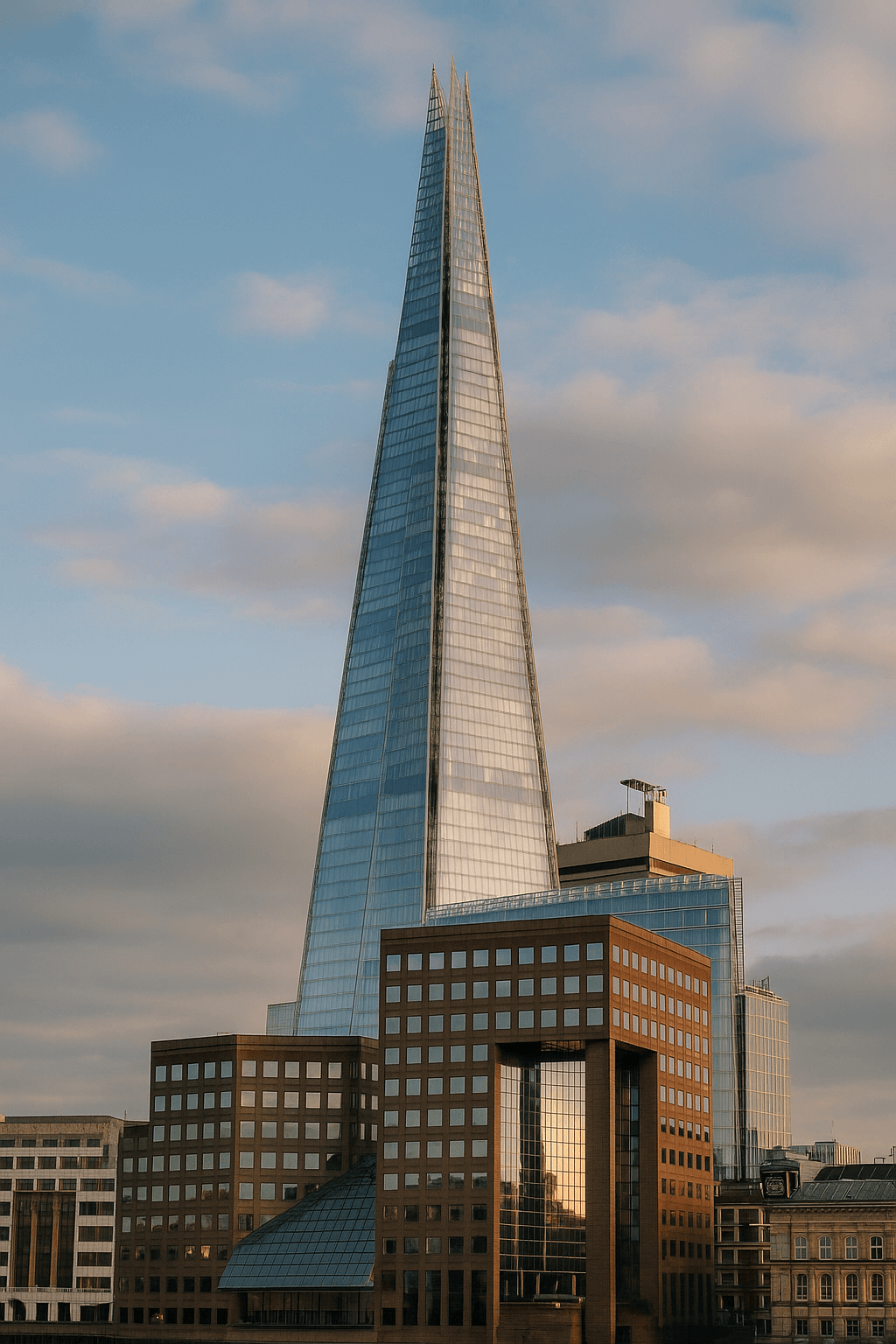
Piano designed The Shard in London, combining modern engineering with aesthetic boldness to create one of the most recognizable skyscrapers in the world. Its tapered form, inspired by church spires and ship masts, reflects Piano’s talent for blending local context with contemporary vision. Beyond its striking silhouette, The Shard incorporates energy-efficient systems, natural ventilation, and layered public spaces that make it a dynamic part of the city rather than just a corporate tower. Piano’s broader body of work, including museums, concert halls, and waterfront developments, focuses on human connection and accessibility. His cultural buildings bring communities together through light-filled spaces, thoughtful circulation, and a deep respect for craftsmanship, proving that architecture can be both innovative and deeply rooted in social purpose.
Santiago Calatrava
Calatrava’s sculptural bridges and transport hubs blur the line between architecture and art, transforming infrastructure into powerful visual statements. His designs often draw inspiration from nature, anatomy, and movement, resulting in structures that resemble wings, spines, or unfolding shells. Projects like the Turning Torso in Sweden and the World Trade Center Transportation Hub in New York showcase his signature use of sweeping white forms, dramatic skylights, and intricate structural rhythms that create a sense of motion even in stillness. Calatrava’s work emphasizes form as much as function, proving that everyday spaces, stations, walkways, and civic buildings can evoke emotion, wonder, and elegance. His bold, expressive approach continues to spark conversations about the role of artistry in modern urban design.
Bjarke Ingels
Ingels represents a new generation of architects who challenge traditional boundaries by merging innovation, sustainability, and a sense of play. His designs often balance practicality with bold imagination, creating buildings that are both environmentally responsible and emotionally engaging. Projects like Copenhagen’s waste-to-energy plant with a ski slope built into its roof embody his philosophy of “hedonistic sustainability,” the idea that eco-friendly solutions can also enhance quality of life. Through his firm, BIG (Bjarke Ingels Group), he has developed housing complexes, cultural centers, and urban plans that prioritize community, flexibility, and climate resilience. Ingels’ playful yet sustainable work demonstrates how creativity can address environmental challenges while offering new possibilities for how cities look, feel, and function in the 21st century.
Famous Architects Around The World
Architecture is a universal language, and its greatest contributors can be found in every corner of the globe. While much attention is often given to European and American figures, many regions have produced architects by country whose influence is just as significant. From the innovative minimalism of famous Asian architects like Kenzo Tange to the socially driven projects of Latin American architects such as Oscar Niemeyer and Lina Bo Bardi, each region brings unique cultural values to design. In Africa, Francis Kéré pioneered community-based sustainability using local materials, while in the Middle East, Hassan Fathy revived traditional techniques to adapt to modern needs. Together, these voices highlight how architecture reflects local identity while contributing to a shared global heritage, proving that the legacy of design extends far beyond borders.
Asia’s Innovators
Kenzo Tange (Japan) blended modernism with tradition, creating bold geometric forms that still respected the spiritual and cultural essence of Japanese architecture. His works, such as the Hiroshima Peace Memorial Museum and the Yoyogi National Gymnasium, used sweeping concrete structures and elegant curves to symbolize resilience, unity, and national identity in a rapidly changing postwar era. In India, Balkrishna Doshi devoted his career to low-cost, sustainable housing rooted in local climate, community needs, and traditional living patterns. His projects, including the Aranya Housing Project, showed how thoughtful design could uplift entire neighborhoods while minimizing resource use. Together, these famous Asian architects demonstrated how deeply local culture can shape modern design, proving that innovation thrives when contemporary ideas evolve in harmony with regional history, materials, and lifestyles.
Latin American Architects
Oscar Niemeyer’s Brasília showcased bold modernism in Brazil, using sweeping curves, monumental forms, and sculptural concrete to create a futuristic capital unlike any other in the world. His vision helped define Brazil’s national identity during a period of rapid growth, proving that architecture could embody optimism and cultural pride on a grand scale. Lina Bo Bardi, meanwhile, approached design through a deeply human lens, introducing cultural architecture that celebrated community, creativity, and everyday life. Projects like the São Paulo Museum of Art (MASP) and SESC Pompeia transformed public spaces into vibrant social hubs that welcomed people from all backgrounds. Together, these Latin American architects shaped national identity through buildings that honored both innovation and cultural memory, demonstrating how architecture can be a powerful force for social connection and collective expression.
African Architects
Francis Kéré, from Burkina Faso, is known for being a sustainable architecture pioneers who prioritize community needs using local materials and climate-responsive design. Growing up in a village without a formal school, Kéré understood firsthand how architecture could transform lives, which influenced his approach to socially driven design. His use of locally sourced clay, timber, and innovative ventilation techniques creates buildings that stay cool in extreme heat while remaining affordable and easy to maintain. Projects like the Gando Primary School, built with the help of local residents, demonstrate his belief that architecture should empower communities, not just serve them. Kéré’s work proves that sustainability is not merely a technological challenge but a cultural one, rooted in participation, local wisdom, and designs that honor both people and place.
Middle Eastern Architects
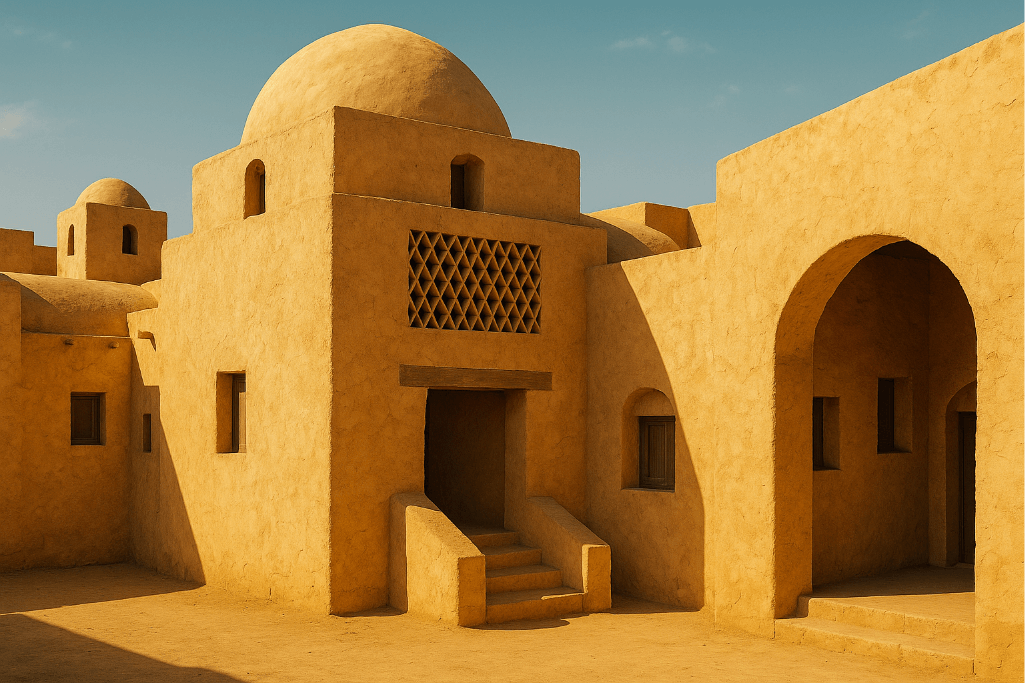
Hassan Fathy of Egypt combined heritage with practicality, designing homes adapted to desert climates through techniques rooted in centuries-old building traditions. He championed the use of mudbrick, natural ventilation, shaded courtyards, and thick walls, elements that kept interiors cool without relying on modern mechanical systems. Fathy believed deeply in the power of vernacular architecture and worked closely with local craftspeople to revive construction methods that were affordable, sustainable, and culturally meaningful. His pioneering village of New Gourna showcased how community-centered planning and climate-responsive design could work together, becoming a global reference for environmentally responsible building. Fathy’s philosophy influenced eco-conscious architecture worldwide, inspiring architects to look to local materials, passive cooling strategies, and cultural context as essential components of sustainable design.
Philosophies And Styles Of Famous Architects
Beyond iconic buildings, architects leave behind ideas that shape how future generations design and live. These guiding principles, or architectural philosophies, reflect deeper beliefs about beauty, function, and society’s role in the built environment. Some architects focused on structural efficiency and utility, giving rise to movements like functionalism and minimalism, while others championed ornament, symbolism, and expression as essential to cultural identity. In recent decades, new styles emerged that prioritize sustainability, eco-conscious design, and the use of advanced technology to meet modern challenges. By studying these contrasting yet interconnected approaches, we see how sustainable architecture pioneers, modernists, and visionaries have each contributed to an ongoing conversation about what makes architecture meaningful.
Functionalism Vs. Expressionism
Some emphasize pure function, while others celebrate dramatic form, creating an ongoing dialogue about what architecture should express. Functionalists argue that a building’s purpose should dictate its shape, prioritizing efficiency, clarity, and practicality above all else. In contrast, expressionists view architecture as a medium for emotion, identity, and artistic storytelling, using bold geometry, unexpected materials, and sculptural elements to make powerful visual statements. The tension between these approaches continues to shape architectural philosophies, influencing everything from minimalist glass towers to highly expressive cultural landmarks. This push-and-pull keeps architecture dynamic, encouraging designers to question convention and find new ways to merge utility with creativity in the spaces we inhabit.
Minimalism Vs. Ornamentation
Minimalism’s “less is more” clashes with ornamented traditions that highlight cultural richness, creating a fascinating contrast in how architects interpret beauty. Minimalists strip designs down to their essentials, emphasizing clean lines, open space, and the honest expression of materials. This approach creates calm, uncluttered environments that allow structure and light to take center stage. On the other hand, ornamented traditions embrace intricate detail, symbolic motifs, and decorative craftsmanship that express cultural identity and historical continuity. Whether found in carved stone facades, patterned tiles, or elaborate interior details, ornamentation reflects the stories and values of the people who create it. Both approaches remain relevant in different contexts, reminding us that architecture is not a one-size-fits-all discipline but a flexible art form capable of expressing simplicity, complexity, or a thoughtful balance of both.
Sustainability And Eco-Design
With climate concerns growing, many sustainable architecture pioneers lead the charge in eco-friendly building methods that rethink how structures interact with the environment. These architects prioritize passive cooling, renewable energy systems, recycled materials, and designs that reduce a building’s carbon footprint over its entire lifespan. Instead of treating sustainability as an add-on, they weave it into the core concept of every project, shaping orientation, form, ventilation, and even community use. Their work also emphasizes resilience, ensuring buildings adapt to rising temperatures, shifting weather patterns, and evolving urban needs. By blending innovation with environmental responsibility, these pioneers demonstrate that sustainability is not just a trend but a critical foundation for the future of architecture worldwide.
Technology’s Role In Architecture
Digital tools, 3D printing, and AI design are transforming how architects imagine the built environment, unlocking possibilities that were once too complex or too time-consuming to bring to life. Advanced modeling software allows designers to test structural performance, environmental impact, and material efficiency long before construction begins, reducing waste and improving accuracy. 3D printing introduces new ways to prototype intricate forms, fabricate components on-site, and experiment with materials ranging from concrete to biodegradable composites. Meanwhile, AI-powered design systems can generate countless variations of a building concept in seconds, helping architects explore ideas that blend creativity with data-driven precision. Together, these technologies are reshaping the design process, expanding the architect’s toolkit, and pushing the boundaries of innovation in ways that continue to redefine modern architecture.
Famous Architects And Their Most Iconic Buildings
The legacies of architects are best understood through their masterpieces, the iconic structures that embody their vision, skill, and philosophy in physical form. These buildings serve as living testaments to the ideas that shaped them, whether it’s the harmony with nature seen in Fallingwater, the bold experimentation of the Sagrada Família, or the sleek precision of modern skyscrapers. Masterpieces not only showcase an architect’s technical abilities but also reveal how they responded to cultural, environmental, and artistic influences of their time. By studying these landmark works, we gain insight into the evolution of architectural thinking and the lasting imprint these designers leave on cities, landscapes, and the collective imagination.
- Fallingwater (Frank Lloyd Wright): A home built into a waterfall, symbolizing harmony with nature.
- Villa Savoye (Le Corbusier): A manifesto of modernist design principles.
- Barcelona’s Sagrada Família (Antoni Gaudí): A still-unfinished masterpiece that blends Gothic and modernist elements.
- Burj Khalifa (Adrian Smith): The tallest building in the world, symbolizing human ambition.
- Sydney Opera House (Jorn Utzon): An instantly recognizable landmark of modern design.
These famous architects’ buildings, which you can visit, remain cultural icons and tourist magnets worldwide.
How Famous Architects Influence Everyday Life
While monumental landmarks often capture attention, the influence of architects extends far beyond iconic skylines. The work of urban planning by famous architects shapes how people commute, gather, and interact in cities, from the layout of neighborhoods to the design of public squares. Their innovations inspire students and young professionals, ensuring that new generations build upon established architectural philosophies while addressing today’s challenges. Tourism also flourishes around architectural landmarks, with cities like Paris, Barcelona, and Dubai drawing millions of visitors who come not only for culture but also to marvel at design. By blending creativity with functionality, famous architects leave a lasting imprint on how we live, reminding us that architecture is not just about grand statements but also about the spaces where daily life unfolds.
Influence On Urban Planning
From city layouts to public housing, famous architects guide how people live together by shaping the very framework of daily life. Their decisions influence everything from how easily people can walk to work or access green spaces to how neighborhoods connect socially and economically. By designing transportation networks, zoning systems, and community hubs, these architects create environments that encourage safety, efficiency, and a sense of belonging. Their work also addresses modern challenges like population growth, sustainability, and equitable access to resources, ensuring cities evolve in ways that benefit current residents while preparing for future generations. Through thoughtful planning, they transform abstract ideas about community and quality of life into tangible, livable spaces that shape how millions of people experience their world.
Inspiration For Future Architects
Generations of students study these masters, learning from the bold ideas and breakthrough designs that reshaped architectural history. Their philosophies encourage young architects to think beyond conventional boundaries, inspiring creativity rooted in purpose rather than novelty alone. By exploring how past innovators approached structure, space, and society, students gain a deeper understanding of sustainability, cultural identity, and human-centered design. These lessons spark bold experimentation, pushing emerging designers to blend new technologies with timeless principles. In this way, the legacy of great architects becomes a foundation for future innovation, guiding the next generation to imagine and build environments that are more resilient, expressive, and responsive to the world’s evolving needs.
Architectural Tourism And Cultural Identity
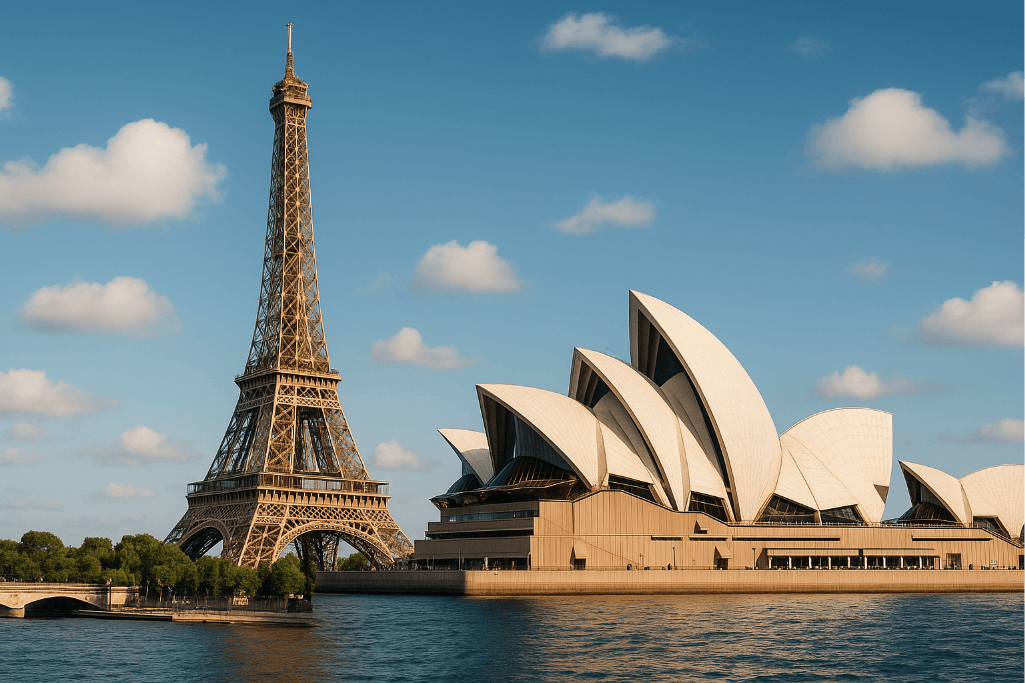
Many cities depend on architectural tourism sites for their identity, using iconic structures to tell a story about their history, culture, and aspirations. Buildings like the Eiffel Tower or the Sydney Opera House are not just landmarks. They are cultural symbols that shape how the world perceives these places. These architectural icons attract millions of visitors each year, fueling local economies and reinforcing community pride. Beyond tourism, such structures often become emotional anchors for residents, serving as gathering spaces, celebration points, and visual reminders of a city’s character. Through their memorable forms and powerful symbolism, these buildings demonstrate how architecture can influence not only urban skylines but also the collective identity of entire nations.
Final Thoughts
The history of famous architects shows us that buildings are more than structures. They are embodiments of human vision, creativity, and resilience. From ancient architects like Imhotep to contemporary leaders such as Bjarke Ingels, each era produced innovators who shaped not just skylines but the very way societies function.
Their contributions to society continue to resonate, influencing urban planning, inspiring students, and connecting cultures through design. By studying their legacies, we see how architecture bridges art and science, tradition and innovation.
FAQs
Who Is Considered The Most Famous Architect Of All Time?
Many argue that Frank Lloyd Wright is the most famous architect ever, thanks to his revolutionary designs like Fallingwater and the Guggenheim Museum.
Which Famous Architect Is Known As The “Father Of Modern Architecture”?
Louis Sullivan is often called the father of modern architecture, especially for his pioneering work on skyscrapers.
Who Is The Most Famous Female Architect?
Zaha Hadid is widely recognized as the most famous female architect, breaking barriers with her futuristic, fluid designs.
What Famous Buildings Can I Visit Designed By Architects?
Examples include Wright’s Fallingwater, Gaudí’s Sagrada Família, Le Corbusier’s Villa Savoye, and Utzon’s Sydney Opera House, some of the world’s most famous buildings to visit.
How Do Famous Architects Influence Future Designs?
They shape architectural philosophies, inspire students, and set benchmarks for innovation. The future of architecture influence stems directly from their visionary approaches.
Also Read: Invention Ideas: Creative Examples, Categories And Future Trends