
Every great product starts with a spark of inspiration. Yet countless ideas never move beyond a notebook sketch because inventors often struggle with the next step. Invention helps bridge this gap by guiding inventors from concept to market. With the right support, you can protect your ideas, build prototypes, secure funding, and reach customers.

The Gap Between Ideas And Execution
Coming up with an idea is exciting, but turning an idea into an invention requires strategy and persistence. Many first-time inventors underestimate the challenges of conducting market research, securing legal protection, and developing their products. Without help, ideas often stall before becoming tangible.
Why Invention Help Services Exist
Professional invention help services offer guidance where most inventors often struggle. These services connect you with patent attorneys, product designers, funding opportunities, and marketing channels. They exist to save inventors time, money, and mistakes by offering a clear roadmap.
Common Mistakes First-Time Inventors Make
New inventors often rush to file a patent without research, spend too much on prototypes, or trust unreliable companies. Seeking help for new inventors early prevents these pitfalls and increases your chance of success.
Understanding The Invention Process
The invention process is more than just coming up with a clever idea. It’s a structured journey that transforms raw creativity into a product people can use and buy. It begins with brainstorming, where you refine your idea and ensure it solves a real problem. From there, research plays a critical role. You’ll need to study the market, check for existing patents, and evaluate whether your concept is truly unique. Once the groundwork is laid, building prototypes allows you to test functionality, gather feedback, and make improvements. Finally, the process moves into production and commercialization, where your invention becomes a tangible product ready for launch. By understanding these stages, inventors can see where invention help is most valuable and avoid common missteps that derail promising ideas.
Brainstorming And Refining Ideas
Most inventions begin as rough concepts. Invention help for beginners often includes workshops or idea evaluation services that help refine your idea into something practical and marketable.
Conducting Market And Patent Research
Before investing heavily, you need to confirm that your idea is original and in demand. Invention research help includes searching patent databases, checking competitors, and surveying potential customers. Skipping this step is one of the costliest mistakes inventors can make.
Building And Testing Prototypes
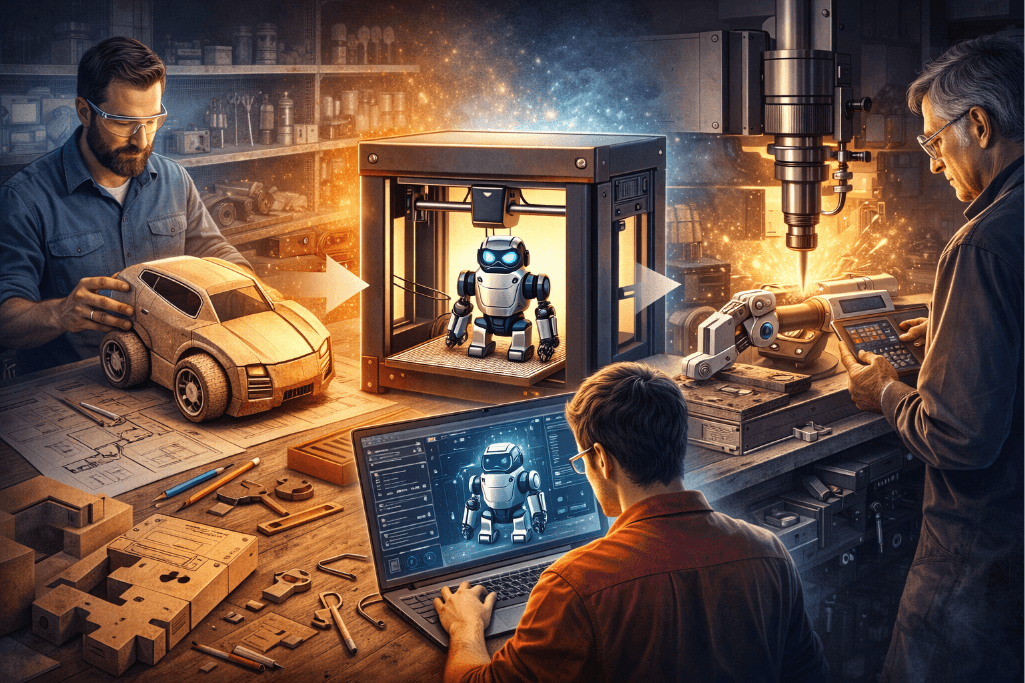
A prototype brings your vision to life, making it tangible. Whether you’re working with cardboard, 3D printing, or CNC machining, prototype invention help gives you access to tools, labs, and engineers to build functional models for testing.
Preparing For Production And Launch
Once your prototype works, the focus shifts to scaling. Invention development help includes finding manufacturers, securing supply chains, and preparing for product launch. This is where professional assistance ensures you avoid costly errors.
Where To Find Invention Help
No matter what stage you’re at, knowing where to find the right support can make all the difference in bringing your idea to life. Inventors can tap into a wide network of resources ranging from professional services to community-driven spaces. For those needing legal guidance, patent attorneys and IP lawyers provide expert protection for ideas. Others may benefit from invention help consultants who offer step-by-step support in prototyping, funding, and marketing. On the practical side, maker spaces, prototyping labs, and incubators give hands-on access to equipment and mentorship. Even online platforms and inventor associations have grown into valuable hubs where creators can share experiences and advice. By exploring these options, inventors can find the balance of professional expertise and affordable, community-based support that best fits their needs.
Patent Attorneys And IP Lawyers
If you’re ready to protect your idea, an invention patent is critical. Patent attorneys can draft, file, and defend your application. They’re more expensive than DIY options but offer stronger protection.
Invention Help Companies And Consultants
Some firms specialize in guiding inventors through the entire process. Invention helps consultants evaluate ideas, connect you with designers, and even help prepare pitch materials. Choose carefully to avoid overpriced or unreliable providers.
Maker Spaces, Prototyping Labs, And Incubators
Hands-on inventors often prefer local invention help from maker spaces and incubators. These facilities provide access to 3D printers, laser cutters, and mentors who can walk you through the technical side of building prototypes.
Online Invention Help Forums And Inventor Associations
When the budget is tight, online invention help offers free or affordable advice. Forums and associations allow inventors to exchange ideas, learn from others’ experiences, and build connections with like-minded creators.
Legal Support: Protecting Your Invention
An idea alone isn’t enough to guarantee success without legal protection. Even the most original invention can be copied or claimed by others. This is why securing the right intellectual property protections is one of the most important steps for any inventor. Patents safeguard the functional aspects of your creation, trademarks protect your brand identity, and copyrights cover creative works tied to your product. Each type of protection comes with its own rules, costs, and timelines, which can be overwhelming for new inventors to navigate alone. Seeking invention patent help or legal advice early ensures that your idea stays yours while giving you the confidence to approach manufacturers, investors, and buyers without fear of losing control.
Understanding Intellectual Property Basics
Intellectual property inventions help cover patents, copyrights, and trademarks. Patents protect functional inventions, while copyrights safeguard creative works, and trademarks protect brand identity.
When To File For A Provisional Patent
A provisional patent help service allows you to secure an official filing date for your invention without paying the full cost of a non-provisional patent upfront. This early filing establishes priority and lets you legally label your idea as “patent pending,” which can be valuable when speaking with manufacturers, investors, or partners. The provisional application then gives you up to one year to refine your invention, build and test prototypes, conduct market research, and decide whether moving forward with a full patent application makes financial sense. For many inventors, this approach offers a lower-risk, more flexible way to protect an idea while exploring its real-world potential.
Working With A Patent Attorney Vs. DIY Applications
DIY patent filing saves money, but it carries risks. Hiring a professional ensures accuracy. If the budget allows, a patent attorney vs DIY patent approach usually favors hiring an expert, especially for complex inventions.
Copyrights And Trademarks For Inventors
Not every idea requires a patent, especially if the true value of your invention lies in its branding rather than its technical design. Trademark help for inventors protects elements like your brand name, logo, slogan, or product label, ensuring that customers can clearly identify your product and distinguish it from competitors. In crowded markets, strong branding can be just as valuable, if not more valuable, than the invention itself. A registered trademark prevents others from using confusingly similar names or designs and helps build long-term brand recognition and trust. For inventors planning to license, sell, or scale their products, trademark protection adds another layer of security and can significantly increase the overall value of the invention.
Invention Help For Prototypes And Product Development
Turning an idea into a working model is often the most exciting yet challenging part of the invention journey. A prototype brings your concept off the page and into the real world, allowing you to test functionality, gather feedback, and demonstrate the value of your invention to potential partners or investors. However, designing and building prototypes can be expensive and technically demanding, which is why many inventors seek out invention help services at this stage. From 3D printing and CNC machining to hiring engineers and industrial designers, professional support ensures that your prototype not only works but also looks market-ready. With the right development guidance, you can refine your invention step by step and prepare it for mass production.
Choosing The Right Prototyping Method
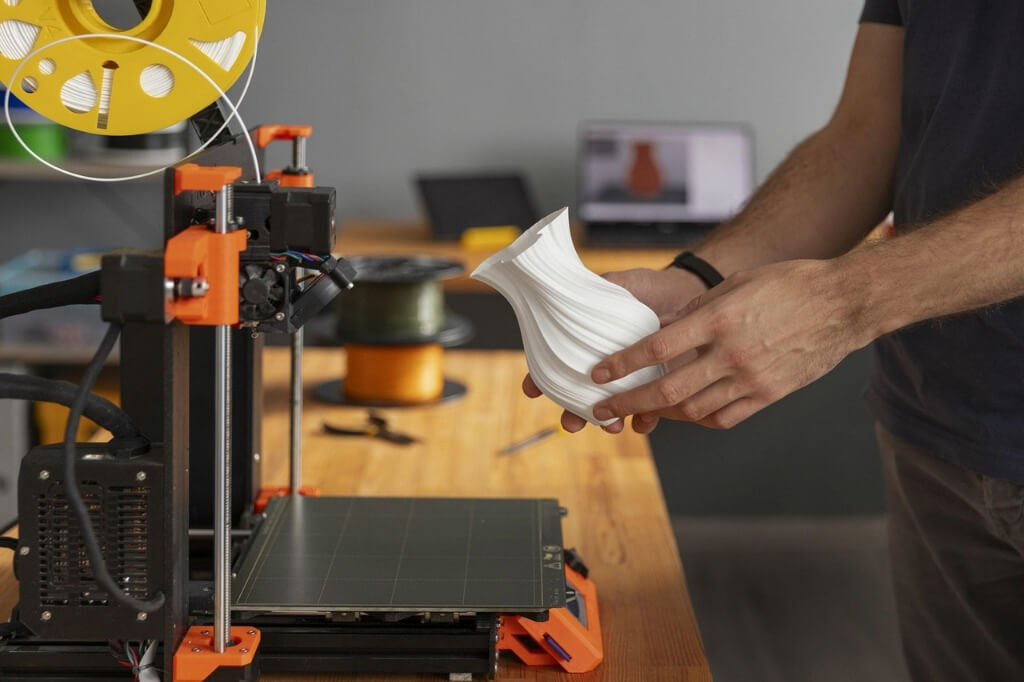
Depending on your invention, you may use hand-built models, CNC machining, or 3D printing services. Each method has strengths. 3D printing is cost-effective, while CNC machining is ideal for precision.
Hiring Product Designers And Engineers
Sometimes you need expert input to move an invention from a rough concept to a market-ready product. Invention design help from engineers and industrial designers brings technical expertise and real-world experience into the development process. Engineers focus on functionality, materials, safety, and manufacturability, while industrial designers refine ergonomics, usability, and visual appeal. Together, they help ensure your product not only works efficiently but can also be produced at scale without unnecessary cost or complexity. For inventors, this type of professional design support often saves time and money by identifying potential flaws early and creating a polished product that meets both user expectations and industry standards.
Using Invention Help Services For Rapid Prototyping
Companies specializing in rapid prototyping and invention help can quickly transform digital designs or sketches into physical models ready for testing. By using tools like 3D printing, CNC machining, and injection-molded prototypes, these services significantly shorten development timelines and reduce costly trial-and-error. Fast turnaround allows inventors to test functionality, gather user feedback, and make improvements early in the process, before committing to full-scale production. For many inventors, rapid prototyping support not only saves time but also lowers overall development risk by revealing design issues when they are still easy and affordable to fix.
Testing And Refining Your Prototype
Refinement is a natural and essential part of the invention process. With prototype testing help, inventors can evaluate how their product performs in real-world conditions, gather feedback from users, and uncover design weaknesses that may not be obvious on paper. This stage often reveals issues related to durability, usability, safety, or manufacturing efficiency. By testing and iterating early, inventors can make targeted adjustments that improve performance and reduce costs before committing to large-scale production. Effective prototype testing not only strengthens the final product but also increases confidence when presenting the invention to manufacturers, investors, or licensing partners.
Funding And Financial Invention Help
Even the most innovative ideas can stall without the resources to move forward, which is why funding is such a critical part of the invention process. Many inventors begin by self-funding, but as costs rise for prototyping, patents, and marketing, outside financial support often becomes necessary. Options like invention crowdfunding, angel investors, and government grants open doors that might otherwise stay closed. Each funding path has its own benefits and trade-offs. Crowdfunding, for example, allows inventors to raise money while testing market demand, while grants provide non-repayable support but are highly competitive. Knowing where to seek financial invention help ensures that inventors can secure the capital needed to transform their ideas into market-ready products without unnecessary delays or risks.
Self-funding Vs. External Funding
Some inventors choose to bootstrap their projects using personal savings, but as costs increase for prototyping, legal protection, and marketing, most eventually need outside support. Invention funding help includes exploring options such as small business loans, strategic partnerships, angel investors, or equity financing. Each approach comes with different levels of risk, control, and long-term commitment. Loans require repayment, while equity financing involves sharing ownership of your invention or company. Understanding these trade-offs helps inventors choose funding paths that align with their goals and timelines, ensuring they can move forward without overextending financially or losing unnecessary control over their ideas.
Crowdfunding Platforms For Inventors
Platforms like Kickstarter and Indiegogo are popular options for inventors looking to raise capital without giving up equity upfront. Invention crowdfunding helps inventors to present their ideas directly to the public, validate demand, and secure funding before committing to large-scale production. Beyond raising money, crowdfunding campaigns provide valuable market feedback, helping inventors refine pricing, features, and messaging based on real customer responses. A successful campaign can also generate early brand awareness and attract the attention of retailers, manufacturers, or investors, making crowdfunding both a funding tool and a powerful marketing strategy.
Government Grants And Invention Funding Help
Some regions offer government invention grants designed to support innovation, education, research, or small business development. These programs can be especially valuable because they provide non-repayable funding, meaning inventors are not required to give up equity or repay the money if eligibility requirements are met. However, grant applications are often competitive and require detailed proposals, clear technical explanations, and well-defined project goals. With the right invention funding help, inventors can identify suitable grant programs, prepare strong applications, and increase their chances of securing support that helps move their ideas forward without adding financial risk.
Angel Investors And Venture Capital For Inventions
If your invention shows strong market potential, investors for inventions, such as angel investors or venture capital firms, may provide significant funding in exchange for equity. This type of support is often best suited for scalable products that can grow quickly and reach large markets. In addition to capital, investors frequently bring industry experience, strategic guidance, and valuable connections that can accelerate development and distribution. However, accepting investment also means sharing ownership and decision-making authority, so inventors should carefully consider long-term goals before pursuing this path. When aligned correctly, investor funding can transform a promising invention into a high-growth business.

Marketing And Selling Your Invention
Bringing a product to life is only half the journey. Success also depends on how effectively you present and deliver it to the market. Without the right strategy, even the best inventions risk going unnoticed. This is where invention marketing help becomes vital, guiding inventors through branding, promotion, and sales channels that connect with the right audience. Some inventors choose to license their creations, while others prefer to sell directly through online marketplaces or retail partnerships. Professional product launch invention help services can smooth this process by handling packaging, distribution, and outreach. By combining a solid marketing plan with smart selling strategies, inventors can turn their innovations into profitable ventures and reach customers who truly value their work.
Building A Marketing Plan For Inventors
Invention marketing often includes developing a clear brand identity, setting competitive pricing, and choosing promotional strategies that reach the right audience. Effective marketing goes beyond simply advertising a product. It involves understanding customer needs, communicating your invention’s unique value, and positioning it clearly against competitors. A strong marketing plan also helps inventors decide whether to focus on direct-to-consumer sales, licensing opportunities, or partnerships with retailers. By investing time in thoughtful marketing, inventors greatly increase their chances of standing out in crowded markets and turning their invention into a recognizable and profitable product.
Licensing Vs. Selling Your Invention Outright
Some inventors prefer to hand over rights for royalties. Licensing an invention help explains contracts and ensures you get fair terms. Selling outright provides quick profit but no long-term revenue.
Using Invention Help Services For Product Launch
Many inventors rely on agencies that offer product launch invention help, providing support across critical areas such as packaging design, regulatory compliance, logistics, and distribution planning. A well-coordinated launch ensures that the product not only looks professional but also reaches customers efficiently and legally. These services help inventors avoid costly mistakes like poor packaging, pricing misalignment, or distribution delays that can hurt early momentum. With experienced launch support, inventors can focus on scaling their business while confidently introducing their invention to the market.
Online Tools And Marketplaces For Inventors
The internet offers inventors access to global markets that were once difficult to reach without large distributors or retail partners. Knowing where to sell inventions online allows creators to connect directly with customers through marketplaces, ecommerce platforms, or their own websites. Online selling also gives inventors greater control over pricing, branding, and customer relationships, while providing valuable data on buyer behavior and demand. Whether selling finished products, licensing designs, or offering digital prototypes, choosing the right online channels can significantly expand an invention’s reach and accelerate its path to profitability.
Invention Help For Students, Kids, And Beginners
Innovation isn’t just for professional inventors. Students, kids, and first-time creators often come up with fresh ideas that can inspire real change. However, they may not have the same access to funding, equipment, or guidance as experienced inventors. This is where invention help for students and beginners makes a huge difference. From school programs and competitions that encourage creativity to affordable kits and workshops that provide hands-on learning, these resources make the process of inventing more approachable. By starting early with the right tools and support, young and new inventors can build confidence, develop problem-solving skills, and lay the foundation for future breakthroughs.
School Programs And Competitions
Invention help for students often comes from competitions that encourage creativity, problem-solving, and real-world innovation. These programs typically provide access to mentorship from industry professionals, educators, or experienced inventors who guide students through the development process. Many competitions also offer funding, scholarships, or grants that help turn early ideas into working prototypes, along with recognition that can open doors to future opportunities. Beyond prizes, participating in invention competitions helps students build confidence, learn how to present their ideas clearly, and gain early exposure to the entrepreneurial mindset.
Beginner Invention Help Kits And Resources
Some companies sell invention help kits that include materials, tools, and instructions for building basic prototypes at home or in classrooms. These kits lower the barrier to entry by giving beginners a hands-on way to explore problem-solving, design, and experimentation without needing advanced equipment. For students and first-time inventors, invention kits provide a structured starting point that encourages creativity while teaching foundational skills. By making the early stages of invention more approachable, these kits help build confidence and spark long-term interest in innovation.
Community Invention Help Workshops
Workshops provide local invention workshops where beginners can learn hands-on skills such as 3D modeling, electronics, prototyping, and patent basics in a supportive, collaborative environment. These sessions often combine instruction with practical exercises, allowing participants to apply what they learn immediately. Beyond technical skills, workshops allow inventors to ask questions, receive feedback, and connect with mentors or peers who share similar interests. For many beginners, local workshops offer a low-pressure way to gain experience, build confidence, and take meaningful first steps toward turning ideas into real inventions.
Affordable Invention Help Tools For Beginners
Access to affordable invention help ensures that cost isn’t a barrier to creativity or innovation. Resources such as online tutorials, starter kits, and shared community tools allow inventors to learn, experiment, and build without significant upfront investment. Many of these options are designed to scale with experience, meaning beginners can start small and gradually move toward more advanced tools as their skills grow. By lowering financial barriers, affordable invention support empowers a wider range of people to explore ideas, develop problem-solving abilities, and participate in the invention process regardless of budget.

Common Scams And Pitfalls In Invention Help
While many invention help services are legitimate and provide real value, some companies prey on the hopes of inventors. These organizations often promise guaranteed success, charge high upfront fees, or claim to have “inside connections” that don’t exist. Falling for an invention help scam can drain your budget, cost you valuable time, and even put your intellectual property at risk. That’s why it’s essential to understand the common pitfalls in this industry. Knowing how to research providers, spot red flags, and set realistic expectations can protect you from being taken advantage of. By staying cautious and informed, inventors can focus their resources on trustworthy support that truly advances their ideas.
Red Flags In Invention Help Companies
Beware of companies making unrealistic promises about guaranteed success, fast profits, or “exclusive connections” to manufacturers or investors. Many invention help scams demand high upfront fees while delivering generic reports, minimal guidance, or services that offer little real value. These companies often rely on aggressive marketing rather than proven results, targeting inventors who are eager to move forward. Taking the time to research providers, ask for references, and understand exactly what services are included can help inventors avoid costly mistakes and focus their resources on legitimate support that genuinely advances their ideas.
How To Research Invention Help Providers
Before hiring any provider, take time to check reviews, verify credentials, and research the company’s track record. Look for independent feedback from other inventors, confirm professional affiliations, and review past projects or success stories when available. Using trusted guides on choosing invention help services can help you understand what questions to ask, what services should reasonably cost, and what warning signs to watch for. This extra diligence reduces the risk of fraud and increases the likelihood of working with a provider that offers transparent, legitimate support tailored to your needs.
Protecting Yourself From Losing Rights
Unscrupulous companies may attempt to claim partial or full ownership of your idea through unclear contracts or hidden clauses. Protecting invention rights means carefully reviewing all agreements before signing and understanding how intellectual property, royalties, and control are handled. Inventors should be cautious of contracts that require assigning rights too early or restrict future use of the invention. Seeking legal advice or using trusted invention help resources can prevent costly mistakes and ensure you retain ownership and decision-making power over your creation as it moves forward.
Understanding Realistic Costs And Timelines
No service can guarantee instant results, and any provider that claims otherwise should be approached with caution. Reliable invention help services set clear expectations by being transparent about costs, timelines, and potential outcomes from the start. This includes outlining what is included in their fees, how long each stage of the process typically takes, and what factors could affect progress or expenses. By understanding realistic timeframes and budget requirements, inventors can plan more effectively, avoid surprises, and make informed decisions about when and how to move forward with their ideas.
Success Stories: How Invention Help Changed Outcomes
Behind every successful product is a story of persistence, creativity, and often, the right kind of support. Many inventors who once felt stuck were able to move forward thanks to professional guidance, mentorship, or community resources. These inventions help success stories highlight how access to legal advice, prototyping services, or funding opportunities can transform an idea from a simple sketch into a thriving business. They also serve as powerful reminders that inventors don’t have to go through the journey alone. By learning from others who sought help and seeing how their outcomes improved, new inventors can gain both inspiration and practical insights into the paths that lead to success.

Famous Inventors Who Sought Help Early
Many great innovators used invention to turn promising ideas into successful outcomes, showing that collaboration is often a key part of innovation. Even Thomas Edison relied on teams of engineers, researchers, and skilled craftsmen to refine concepts, test variations, and solve complex technical problems. These examples demonstrate that invention is rarely a solo effort. Instead, it thrives on shared expertise and structured support. By learning from innovators who embraced help rather than avoiding it, modern inventors can see that seeking guidance is not a weakness but a practical strategy for increasing the chances of success.
Everyday Inventors Who Found Success With Guidance
Ordinary people have launched successful products thanks to invention help case studies involving experienced consultants, grant programs, or knowledgeable mentors who guided them through unfamiliar territory. In many of these cases, inventors started with little technical or business background but gained clarity through structured support, feedback, and step-by-step guidance. Mentors helped refine ideas, consultants assisted with prototyping or market validation, and grants reduced financial pressure during early development. These real-world examples show that invention success isn’t limited to experts or large companies. When everyday inventors receive the right help at the right time, they can turn simple ideas into viable products with real market impact.
Lessons Learned From Those Who Skipped Invention Help
By contrast, failed inventions with no help often struggled because critical steps were overlooked or rushed. Without proper planning, inventors may misjudge costs, timelines, or market demand. Weak or improperly filed patents can leave ideas unprotected, while poor marketing prevents even solid products from reaching the right audience. In many cases, these failures were not due to bad ideas but to a lack of guidance and structure. This contrast highlights how seeking invention help early can prevent common missteps and significantly improve the chances of long-term success.
How To Choose The Right Invention Help Service
With so many options available, selecting the right invention help service can feel overwhelming. Some companies specialize in patents, others in prototyping, and still others in marketing or funding support. The key is to find a service that aligns with your specific stage in the invention process and offers transparent pricing, a proven track record, and clear communication. Reliable providers of invention help services will answer your questions honestly, provide references, and avoid making unrealistic promises about guaranteed success. By carefully comparing your options and understanding what each service offers, you can choose a partner that helps you move forward confidently without wasting time or money.
Questions To Ask Before Hiring Invention Help
Key questions help you understand how to choose invention help services that truly fit your needs. Asking about a provider’s track record reveals whether they have real experience guiding inventions from concept to market. Requesting references or case examples allows you to hear directly from other inventors about their outcomes. Transparency around fees is equally important. Reliable services clearly explain what is included, what costs extra, and how payments are structured. Together, these questions help inventors identify trustworthy partners, avoid unnecessary expenses, and choose support that aligns with their goals and stage of development.
Comparing Invention Help Pricing Models
Some inventions help providers charge hourly rates, while others offer flat-rate packages for specific services such as patent searches, prototyping, or market research. Understanding invention help pricing allows inventors to compare options realistically and avoid unexpected expenses. Hourly pricing can be flexible for short-term consultations, whereas flat rates often provide cost certainty for larger projects. By reviewing what is included in each pricing model and how additional costs are handled, inventors can budget more effectively and choose services that align with both their financial limits and development goals.

Local Vs. National Invention Help Companies
Local invention help services may offer more personal attention, face-to-face meetings, and hands-on support that can be especially valuable during early development and prototyping stages. National firms, on the other hand, often provide broader reach, access to larger networks of professionals, and experience working across multiple industries or markets. Each option has advantages depending on your goals, budget, and stage in the invention process. By weighing the benefits of personalized local support against the resources and scalability of national providers, inventors can choose the approach that best fits their specific needs.
DIY Resources Vs. Professional Services
Some inventors prefer DIY invention help through online guides, tutorials, forums, or self-published resources, as these options are often cost-effective and flexible. This approach allows inventors to move at their own pace and maintain full control over decisions. However, DIY paths typically require more time, independent research, and trial-and-error, which can increase the risk of mistakes in areas like patents, prototyping, or market validation. For many inventors, a hybrid approach combining DIY learning with targeted professional help offers a balanced way to reduce costs while minimizing risk and improving overall outcomes.
Final Thoughts
No matter where you are in your journey, seeking the right support can make the difference between failure and success. With professional invention help, you can protect your idea, create a working prototype, secure funding, and confidently bring your invention to market.
FAQs
How Much Does Invention Help Cost?
The invention helps cost varies widely. Basic consultations might cost a few hundred dollars, while full patent and prototyping packages can reach several thousand.
Can Invention Help Guarantee Success?
No service can provide an invention help guarantee. However, professional guidance increases your chances by avoiding mistakes and giving you expert insights.
What’s The Difference Between Patent Help And Invention Help?
Patent help vs invention help differs in scope. Patent help only focuses on legal protection, while invention help covers idea evaluation, prototyping, funding, and marketing.
Is Invention Help Worth It For Small Ideas?
Yes, even minor improvements can benefit from invention help worth it services. Small ideas may find niche markets that generate steady income.
Also Read: Famous Architects: 25 Visionaries Who Shaped Architecture And History