
Throughout history, the stories of many women inventors have been overlooked or buried in footnotes. Yet, countless everyday conveniences, medical breakthroughs, and technological advances trace back to inventions by women. These achievements were often made despite significant social and institutional barriers. Recognizing these innovators not only sets the historical record straight but also inspires future generations of female inventors to pursue their own ideas with confidence.
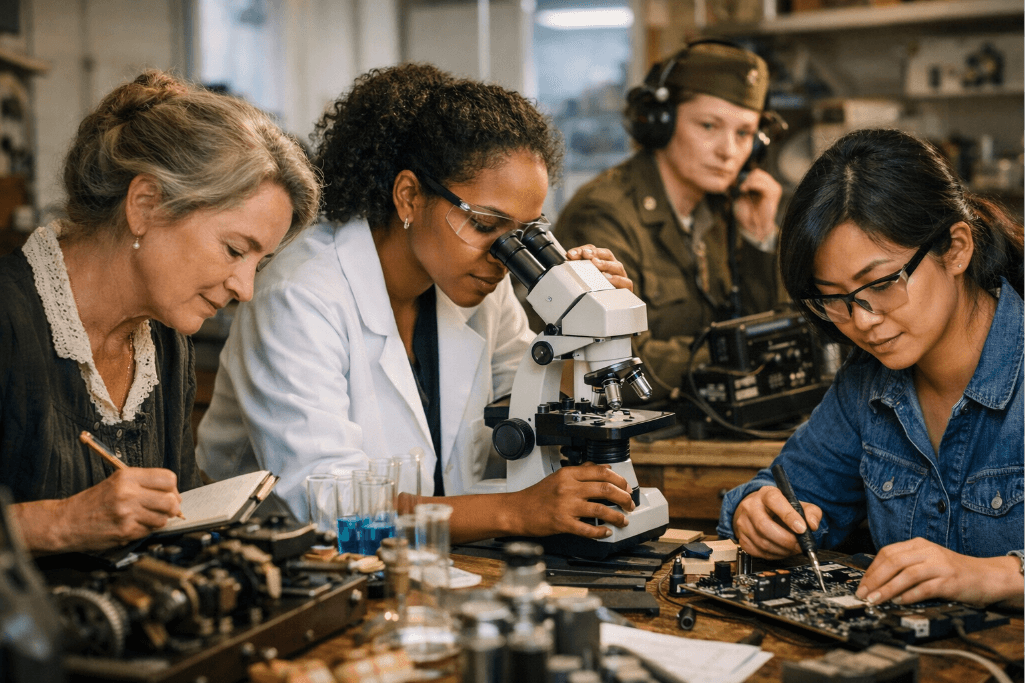
The Importance Of Women In Innovation
For centuries, women’s contributions to science, technology, and invention were dismissed or uncredited. However, their impact has been profound, ranging from household items that simplify daily chores to groundbreaking advances in medicine and computing. Understanding the importance of women in innovation helps reveal how vital diversity is to progress.
Overcoming Historical Barriers
Many women faced exclusion from universities, patent offices, and professional networks. Limited access to funding and systemic gender biases meant that even when a woman had a novel idea, bringing it to market was difficult. Despite these obstacles, female inventors persevered, often working quietly in the background until their inventions eventually reshaped industries.
Recognition And Representation
Representation matters because it encourages future innovators. When young women see role models in innovation history, they are more likely to pursue careers in science and technology. Increasing visibility also highlights the wide range of fields where women have made vital contributions.
Pioneering Women Inventors In History
The timeline of women inventors stretches far beyond modern times, reaching back to ancient civilizations where women played key roles in developing agricultural tools, food preservation methods, textiles, and early medical practices. Although many of their names were never recorded, their innovations supported entire communities and laid the groundwork for future technological progress. As societies evolved, women continued to contribute inventive ideas, from mechanical improvements during the Industrial Revolution to early computing concepts that reshaped how humans interact with machines. Despite facing cultural, educational, and legal barriers, these pioneers broke through limitations and demonstrated the power of creativity, problem-solving, and persistence. Together, their contributions form a continuous thread of innovation that connects ancient ingenuity to the modern world.
Ancient And Early Contributions
In ancient societies, women played key roles in creating textile technologies, food preservation techniques, and basic healthcare tools. Although their names were rarely recorded, these early women inventors laid the foundation for many of the comforts we now take for granted.
The 19th Century Innovators
The 1800s witnessed extraordinary advances by female inventors. Ada Lovelace is often celebrated as the world’s first computer programmer for her visionary notes on Charles Babbage’s Analytical Engine. Margaret Knight, known as “the female Edison,” invented the paper bag machine, transforming packaging forever. Their inventions by women in the 1800s demonstrated that industrial progress was not limited to men.
Early 20th Century Trailblazers
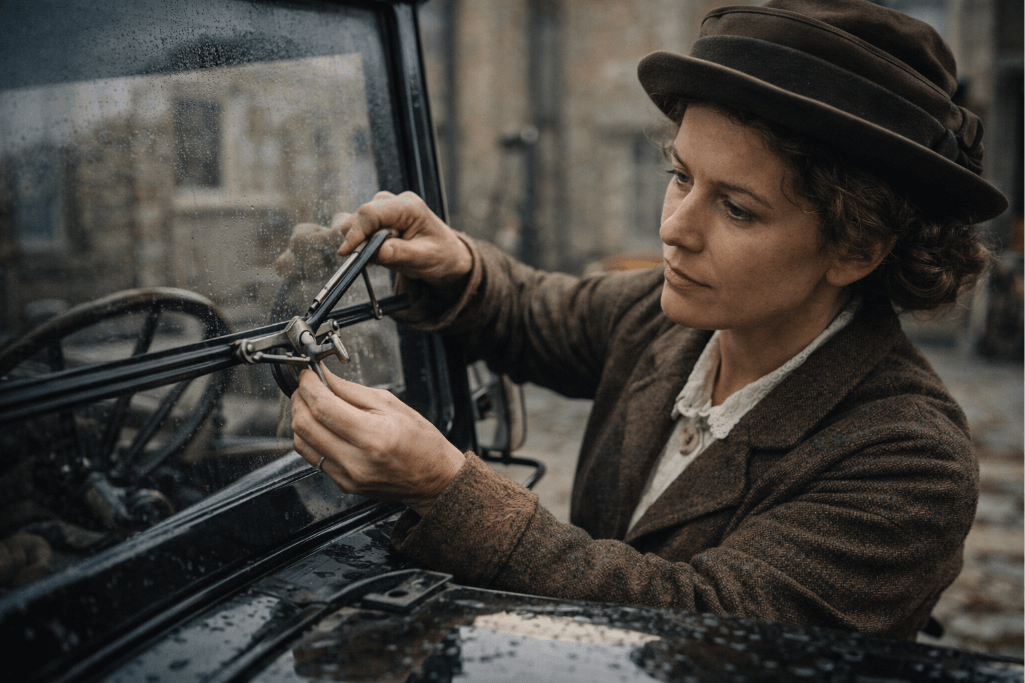
The 20th century opened new doors for women in technology and industry. Mary Anderson invented the first practical windshield wipers in 1903, a tool that remains essential for driving safety. Other household inventions by women in the 20th century, such as improved kitchen tools and cleaning devices, improved daily life for millions.
Inventions By Women That Changed Everyday Life
Many of the objects we use daily were created thanks to the ingenuity of female inventors. These practical tools reveal how women shaped comfort, efficiency, and convenience in modern living by identifying everyday problems and designing thoughtful solutions. From household appliances that reduced manual labor to personal and lifestyle products that improved health, safety, and mobility, women often focused on innovations that made daily routines easier and more humane. Their inventions were frequently driven by firsthand experience, allowing them to spot needs that were overlooked by traditional industries. As a result, these everyday creations not only transformed homes and workplaces but also influenced broader social change by freeing up time, improving the quality of life, and redefining how people interact with the world around them.
Household Innovations
Josephine Cochrane designed the first automatic dishwasher in the late 1800s, motivated by a desire to save time and protect fine china. Other inventors refined ironing boards, cooking appliances, and cleaning equipment. These everyday inventions by women that changed life demonstrate how necessity drives innovation.
Fashion And Lifestyle Innovations
In 1914, Caresse Crosby patented the modern bra, providing comfort and freedom compared to restrictive corsets. Later, disposable diapers revolutionized parenting by reducing laundry burdens. These inventions by women that improved comfort show how female insight often reshaped lifestyle products.
Communication And Technology Tools
From typewriter refinements to early telephone accessories, women helped shape communication in ways that made information exchange faster, clearer, and more accessible. Female inventors technology contributions improved correspondence by focusing on usability, efficiency, and real-world needs, whether in offices, homes, or emerging business environments. These innovations helped bridge personal and professional worlds, allowing people to communicate more reliably across distance and time. By enhancing tools for writing, speaking, and transmitting information, women played a critical role in the evolution of modern communication systems. Their work not only supported growing industries but also laid important groundwork for later advances in digital communication and networking technologies.
Inventions By Women In Science And Medicine
The world of healthcare and scientific discovery has been significantly enriched by inventions by women in medicine, many of which addressed critical gaps in patient care and medical understanding. These breakthroughs saved lives, advanced treatments, and improved diagnostics by introducing safer procedures, more accurate assessment tools, and innovative medical devices. Women often approached medical problems with a strong focus on prevention, patient comfort, and long-term outcomes, leading to solutions that transformed clinical practice. From neonatal care and surgical technology to public health and disease prevention, their contributions reshaped how medicine is practiced and delivered. As a result, these medical innovations continue to influence healthcare systems worldwide, benefiting millions of people every day.
Medical Devices And Tools
Dr. Virginia Apgar created the Apgar Score, a quick test that assesses newborn health. Dr. Patricia Bath developed the Laserphaco Probe, which revolutionized cataract surgery. These medical inventions by women continue to be used worldwide.

Pharmaceuticals And Treatments
Women chemists contributed to antibiotics, vaccines, and drug development at pivotal moments in scientific history, often working behind the scenes in laboratories where their efforts went unrecognized. Their work highlighted how persistence in research leads to life-saving outcomes, even when recognition was delayed or credit was given elsewhere. By refining chemical processes, improving drug safety, and advancing treatment effectiveness, these scientists helped turn experimental compounds into reliable medical solutions. Many also played key roles in scaling production, ensuring consistency, and meeting public health demands during times of crisis. As a result, their contributions continue to influence modern pharmaceutical research, shaping how new medicines are developed, tested, and delivered today.
Public Health And Safety
Innovations in sanitation, child safety, and healthcare delivery often stemmed from women inventors who noticed everyday needs that were overlooked by traditional systems. By observing conditions in homes, schools, and hospitals, these innovators identified practical ways to reduce illness, prevent injury, and improve access to care. By prioritizing family health and community welfare, they reshaped standards of public health through cleaner living environments, safer products for children, and more efficient methods of delivering medical services. Their work helped shift healthcare from reactive treatment toward prevention and long-term well-being. As a result, many of these public health advancements became embedded in modern safety regulations and healthcare practices, benefiting entire populations over generations.
Inventions By Women In Engineering And Technology
The fields of engineering and technology have been profoundly shaped by the vision and perseverance of female inventors. While often working in environments where their contributions were undervalued, these women pushed boundaries and created innovations that changed how societies function. From Ada Lovelace and Grace Hopper laying the foundations of modern computing to Hedy Lamarr’s groundbreaking work in wireless communication, their ideas became the backbone of today’s digital infrastructure. Other engineering inventions by women, such as safety systems, building materials, and mechanical designs, improved public safety and industrial efficiency. Their achievements highlight not only technical brilliance but also the resilience required to bring ideas forward in male-dominated industries. By recognizing their role in shaping both past and present technologies, we gain a deeper appreciation for how inclusive innovation drives progress across all sectors.
Computer Science And Programming
Ada Lovelace’s pioneering algorithm and Grace Hopper’s development of COBOL marked turning points in computing by redefining what machines could do and how humans could interact with them. Lovelace’s insight that computers could process more than numbers laid the conceptual groundwork for modern software, while Hopper’s work on compiler technology and user-friendly programming languages made computing accessible beyond a small group of specialists. These women inventors in computer science helped shift computers from experimental machines into practical tools used by governments, businesses, and everyday users. Their contributions not only accelerated the growth of the digital age but also influenced how software is written, structured, and understood today. As a result, much of the digital infrastructure we rely on, from data processing to enterprise systems, traces its roots back to their visionary thinking and technical leadership.
Telecommunications And Wireless Innovations
Hollywood actress Hedy Lamarr co-developed a frequency-hopping system that laid the foundation for WiFi, Bluetooth, and GPS. This invention by women that influenced WiFi illustrates how creativity can span multiple fields.
Mechanical And Structural Inventions
From bridges to building materials, engineering inventions by women have shaped safer structures and more reliable transportation systems across the world. By applying innovative approaches to structural design, materials science, and mechanical systems, women engineers improved durability, load efficiency, and resistance to environmental stress. Their insights enhanced mechanical efficiency and public safety by reducing failure risks, improving traffic flow, and increasing the longevity of critical infrastructure. Many of these innovations also contributed to sustainability by optimizing resource use and lowering maintenance demands. As a result, the work of women in engineering continues to influence modern construction standards and transportation networks, creating safer environments for communities to live and move within.
Inventions By Women In Wartime And Crisis
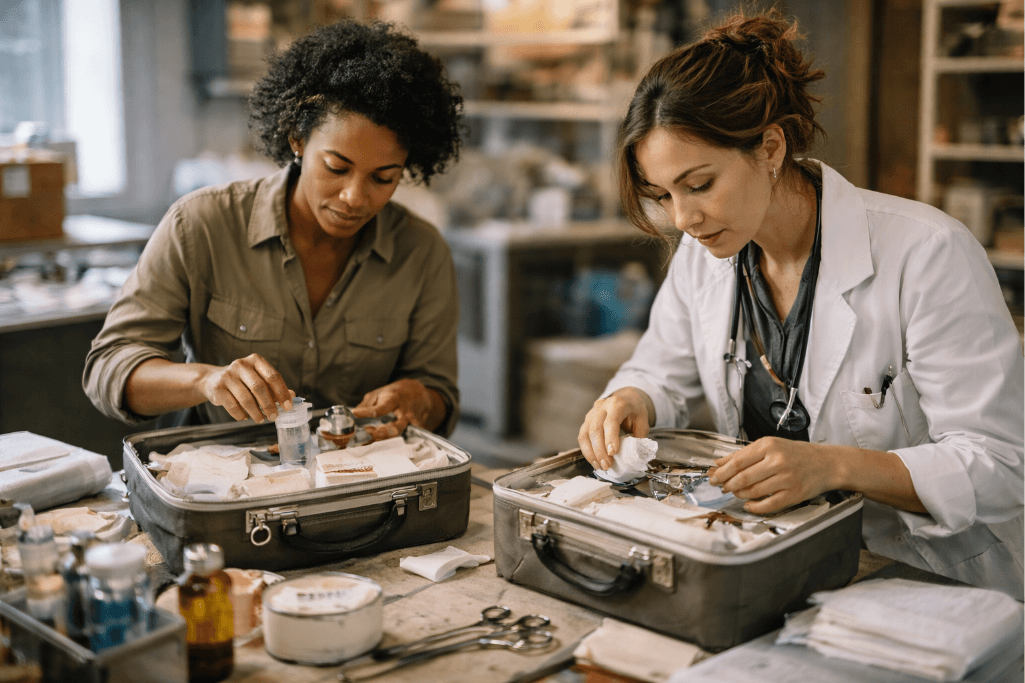
Times of conflict and crisis have often highlighted the ingenuity of women inventors, who responded to urgent needs with practical and life-saving solutions. During World Wars I and II, women developed new medical kits, improved food preservation systems, and designed clothing and gear that made life safer for soldiers and civilians alike. Some of the most notable breakthroughs include inventions by women during wartime, such as Stephanie Kwolek’s Kevlar, which became essential for protective vests, and Marie Van Brittan Brown’s early work on home security systems, inspired by rising crime during turbulent periods. Beyond the battlefield, humanitarian crises also sparked creativity, with women creating portable shelters, safer child-care solutions, and tools for disaster relief. These inventions by women that save lives show not only technical skill but also compassion and resilience, proving that innovation thrives even under the harshest conditions.
World War I And II Contributions
During both world wars, women developed weapons, medical kits, and survival gear in response to urgent and often life-or-death challenges. Working in laboratories, factories, and field hospitals, they designed practical solutions that improved battlefield medicine, emergency care, and everyday survival under extreme conditions. These inventions by women during wartime supported soldiers by enhancing protection, treatment, and recovery, while also helping civilians adapt to shortages, displacement, and infrastructure damage. Many of these innovations were later adapted for peacetime use, influencing modern emergency response systems and medical practices. Their wartime contributions demonstrate how necessity accelerates innovation and highlight the crucial role women played in sustaining societies during periods of global crisis.
Inventions For Safety And Defense
Stephanie Kwolek’s invention of Kevlar is one of the most significant safety breakthroughs. This strong, lightweight fiber is used in bulletproof vests, helmets, and countless industrial applications. Such inventions by women that save lives demonstrate their enduring legacy.
Humanitarian Inventions
From life rafts to portable food systems, women also developed tools for disaster relief that addressed the immediate needs of people affected by emergencies. By focusing on portability, durability, and ease of use, these innovators created solutions that could be deployed quickly in situations involving natural disasters, war, or humanitarian crises. These inventions by women for humanitarian aid show their ability to combine practicality with compassion, ensuring that essential resources such as food, shelter, and safety equipment reach vulnerable populations efficiently. Many of these designs also emphasized adaptability, allowing aid organizations to respond to diverse environments and challenges. As a result, these humanitarian innovations continue to influence modern disaster response efforts and relief strategies worldwide.
Modern Inventions By Women
In today’s fast-paced world, modern female inventors continue to redefine industries with creative solutions that respond to global challenges. Their contributions span diverse areas, from technology startups and mobile apps to green energy and sustainable consumer products. For example, women have pioneered innovations in health-tracking applications that empower people to monitor their well-being, while others have developed eco-friendly materials that reduce plastic waste and environmental impact. These modern inventions by women not only enhance convenience and efficiency in daily life but also address pressing issues such as climate change, accessibility, and digital inclusion. By blending technical expertise with social awareness, today’s innovators demonstrate how inclusive thinking drives progress and ensures that technological advances benefit communities worldwide.

Technology Startups And Apps
Women have developed health-tracking apps, social platforms, and AI-driven solutions that address real-world needs in increasingly connected societies. By combining technical expertise with user-centered design, these women inventors of apps created tools that empower individuals to monitor their health, manage daily tasks, and build online communities more effectively. Their work often emphasizes accessibility, data privacy, and inclusivity, ensuring that digital products serve diverse users rather than narrow audiences. These innovations demonstrate that technology can be both powerful and humane. Together, they prove that innovation thrives in the digital era when diverse perspectives help shape how technology is designed, deployed, and experienced.
Environmental And Sustainability Innovations
Eco-conscious inventions by women in renewable energy include recycling technologies, biodegradable materials, and clean water solutions designed to reduce environmental harm and conserve natural resources. By rethinking how materials are produced, reused, and disposed of, women innovators have introduced systems that lower waste, reduce pollution, and improve efficiency across industries. Many of these solutions also focus on long-term sustainability, ensuring that communities can meet present needs without compromising future generations. These ideas help address global environmental challenges such as climate change, water scarcity, and resource depletion, while also promoting environmentally responsible practices in everyday life. As a result, women-led sustainability innovations continue to play a vital role in shaping a more resilient and environmentally conscious future.
Everyday Gadgets And Consumer Products
From kitchen gadgets to ergonomic designs, modern inventions by women enrich consumer markets with functionality and creativity by addressing comfort, efficiency, and real-world usability. Many of these products are shaped by firsthand experience, allowing women inventors to identify design flaws and improve how everyday items fit into people’s lives. Their innovations often blend practicality with thoughtful aesthetics, resulting in products that are not only effective but also intuitive and appealing to use. By focusing on user-centered design, safety, and accessibility, women continue to influence consumer trends and raise expectations for how products should perform. As a result, these modern inventions play an essential role in shaping evolving consumer needs and preferences across global markets.
Inventions By Women Of Color
The contributions of women of color inventors deserve greater recognition for the profound impact they have had on technology, healthcare, business, and everyday life. These innovators overcame not only gender barriers but also racial discrimination, limited access to education, funding inequalities, and systemic bias to bring transformative ideas to the world. Despite these challenges, they created inventions that addressed unmet needs within their communities and beyond, often focusing on safety, accessibility, and economic empowerment. Their resilience and ingenuity expanded opportunities for future generations while challenging narrow definitions of who can be an inventor. By acknowledging and amplifying their achievements, we gain a more complete and inclusive understanding of innovation and its role in shaping society.
African American Women Inventors
Madam C.J. Walker created a hair care empire, becoming one of the first self-made millionaires in the United States. Marie Van Brittan Brown patented the first home security system. These inventions by black women inventors still influence industries today.
Asian And Latina Women Innovators
From agricultural tools to modern medical devices, Latina and Asian inventors have made important contributions that span traditional knowledge systems and cutting-edge technology. Drawing from cultural experience, scientific training, and community needs, these innovators developed solutions that improved food production, healthcare access, and technological efficiency. Their work often bridges generations, blending practical wisdom with modern engineering and research methods. Despite facing barriers related to visibility and recognition, these inventions by Latina women and Asian innovators have had lasting impacts across local and global markets. Giving their achievements wider celebration not only honors their contributions but also enriches the broader story of innovation by highlighting diverse perspectives that continue to drive progress.
Indigenous Women’s Innovations
Indigenous knowledge has inspired natural remedies, agricultural techniques, and survival tools that have sustained communities for generations. Rooted in close relationships with the land, water, and ecosystems, these innovations reflect deep environmental understanding and long-term stewardship. These indigenous women’s inventions continue to shape sustainability and cultural practices by promoting biodiversity, responsible resource use, and holistic approaches to health and food production. Many modern sustainability efforts and ecological design principles draw directly from this traditional knowledge. By recognizing and preserving these contributions, we not only honor Indigenous cultures but also gain valuable insights into building resilient and sustainable systems for the future.
The Legacy And Future Of Women In Invention
The legacy of female inventors is one of resilience, creativity, and progress, and it continues to inspire future generations of innovators. From centuries of overlooked contributions to today’s celebrated breakthroughs, women have consistently demonstrated that inclusion in invention drives broader social and technological advancement. Looking ahead, the future of women in innovation rests on expanding access to STEM education, closing gaps in patent recognition, and fostering mentorship networks that encourage young women to pursue bold ideas. As industries face global challenges such as climate change, healthcare needs, and digital transformation, the perspectives and solutions offered by future women inventors will be vital in creating more sustainable and equitable systems. By celebrating the achievements of the past and investing in the innovators of tomorrow, we ensure that the inventive spirit of women continues to shape the course of human history.
Education And Encouragement For Future Generations
STEM programs aim to support young women inventors by giving them access to mentors, labs, and funding opportunities that help turn ideas into real-world solutions. These programs often provide hands-on learning experiences, exposure to role models, and practical guidance on problem-solving, research, and entrepreneurship. By creating supportive environments where curiosity and experimentation are encouraged, they help build confidence and technical skills at an early stage. Many initiatives also focus on reducing barriers to entry by offering scholarships, workshops, and community networks. As a result, STEM programs play a critical role in empowering the next generation of women innovators and ensuring that diverse perspectives continue to shape the future of invention and technology.
Patent And Recognition Gaps
Women are still underrepresented in patent filings, despite their significant contributions to science, engineering, and innovation. Barriers such as limited access to funding, lack of mentorship in intellectual property systems, and historical bias within patent processes have made it more difficult for women to secure legal protection for their ideas. Closing this patent gap for women inventors is vital for fair recognition and compensation, as patents not only acknowledge ownership but also enable inventors to attract investment, license technologies, and build sustainable careers. Addressing this imbalance would help ensure that women receive equal opportunities to benefit from their innovations while strengthening the overall innovation ecosystem through greater diversity and inclusion.
Inspiring Future Innovators
Role models, storytelling, and mentorship inspire future women inventors to pursue bold ideas without hesitation by showing them what is possible. Seeing real examples of women who have successfully navigated challenges in science, engineering, and entrepreneurship helps normalize ambition and innovation. Storytelling plays a powerful role by sharing not only successes but also setbacks, making the inventive journey feel achievable rather than intimidating. Mentorship further reinforces this confidence by providing guidance, encouragement, and practical insight into turning ideas into tangible outcomes. Together, these influences help cultivate resilience, curiosity, and self-belief, empowering the next generation of women to contribute meaningfully to the future of invention and innovation.

Final Thoughts
The history of inventions by women shows that creativity and innovation know no gender. From household conveniences to technologies that transformed communication and medicine, women inventors have shaped the world. By celebrating their contributions and supporting future pioneers, we can ensure that innovation continues to thrive across all communities.
FAQs
Who Was The First Woman Inventor?
Historical records suggest that women in ancient civilizations created tools, textiles, and agricultural methods, though names were rarely documented. One of the earliest documented inventors was Tabitha Babbitt, who designed the circular saw.
What Are Some Famous Inventions By Women Still Used Today?
Examples include windshield wipers by Mary Anderson, the dishwasher by Josephine Cochrane, and Kevlar by Stephanie Kwolek. These famous inventions by women remain integral to modern life.
Why Are Women Inventors Less Recognized Than Men?
Systemic barriers such as limited access to patents, lack of funding, and gender bias kept many women’s contributions hidden. Recognition is improving as historians and organizations highlight their work.
How Did Hedy Lamarr Influence Modern Technology?
Hedy Lamarr co-invented a frequency-hopping system that became the foundation of WiFi, Bluetooth, and GPS. This lesser-known female inventor’s invention had a lasting impact on modern communications.
Which Inventions By Women Changed Daily Household Life?
The dishwasher, disposable diapers, and modern ironing boards are among the household inventions by women in the 20th century that revolutionized daily routines.